
Freight transport to and from England
We arrange freight transport between Lithuania and the United Kingdom (UK). In searches this route is often referred to as freight transport to or from England, so we use both names on this page. This route requires more planning than transport within the EU, so we discuss the documents required, transit time and additional conditions in advance.

Who transports freight from England to Lithuania and from Lithuania to England?
Freight transport from England to Lithuania and from Lithuania to England via trans.lt is arranged by UAB „Kauno logistikos agentūra“.
For clients who work on this route regularly, we can arrange recurring shipments or a delivery date agreed in advance. This helps to plan loading and delivery times better, but the specific transit time depends on the cargo, route, customs and border crossing conditions.
How does freight transport to and from England work?
Freight transport to and from England is planned according to the type of cargo, so we choose a full truckload or part-load solution based on the cargo size, transit time and other requirements. When the consignment is smaller, it can be combined with other clients’ cargo on the same route, so this solution can often be more economical.
The general transport process – from request to delivery – is described on our international freight transport page. Here we highlight only what matters most for this route.
What to know when transporting goods to and from England
Customs formalities
As the United Kingdom is not an EU member, transporting goods to or from England requires additional customs documents. We help coordinate customs formalities based on the information provided by the client and, where necessary, involve customs brokers. To reduce the risk of delays at the border or in port, we discuss the documents required before confirming the transport.
Crossing the English Channel
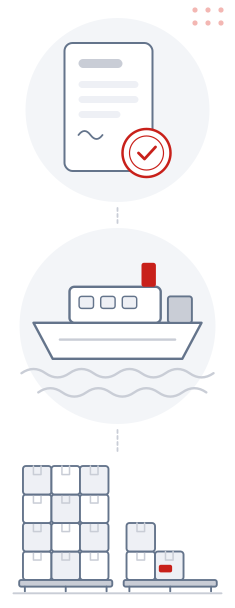
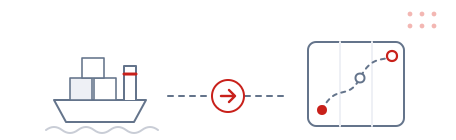
Freight between Lithuania and the United Kingdom is most often transported by ferry or via the Channel Tunnel. This leg depends on the chosen route, so when planning the journey we assess it straight away, not just the overland section in Europe. We include this leg in the estimated transit time from the quote stage onwards, so that the client can plan delivery realistically.
When to choose a full truckload and when a part load?
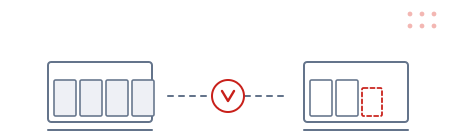
A full truckload is usually chosen for larger volumes or when it is important to avoid additional handling stages. A part load suits smaller consignments – the transport cost is shared between several clients, so this solution can often be more economical.
Insurance and storage on this route
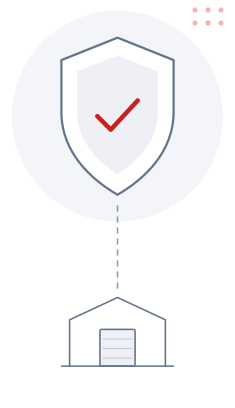
Carrier’s liability (CMR) insurance is not cargo insurance – it covers the carrier’s liability under the CMR Convention according to the terms and limits of the specific policy, not the full value of the cargo. For higher-value cargo, this protection alone may not be sufficient.
On this route, insurance deserves particular attention because the journey may include a ferry or tunnel crossing, possible waiting at the port and customs formalities, so the transport involves more handling and control stages than a typical overland route within the EU. If broader protection is required, we discuss the option of additional cargo insurance separately for the specific cargo and route, according to the insurer’s terms.
We discuss insurance before confirming the transport so that the limits of cover are clear to the client in advance. You can read more about carrier’s liability insurance and additional cargo insurance on our cargo insurance page.
If interim storage is required, we discuss the options together with the transport terms.

Transit time planning on this route
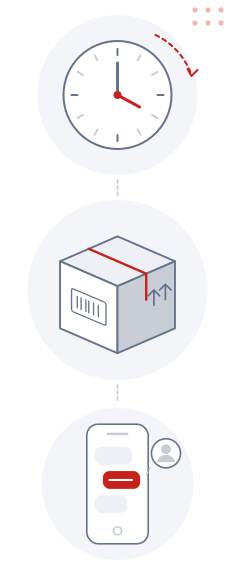
As the route includes a ferry or tunnel leg, we calculate the transit time more cautiously than for an overland route. We assess not only the driving time but also possible waiting time before the crossing. This helps us give a realistic indicative transit time.
Packaging and marking
Goods crossing the border with a non-EU country must be marked so that they match the data stated in the documents. If the packaging or marking does not match the declaration, this may slow down the customs check. The consignor or the client ordering the transport is responsible for the packaging, marking and classification of the cargo and for the accuracy of the data provided in the documents, unless the parties agree otherwise in writing. When arranging transport, we rely on the information provided by the client. During loading, the driver can only record obviously visible defects in packaging, marking or loading. The absence of such remarks does not in itself mean that the cargo, its packaging, marking or documents meet all the requirements applicable to the specific route.
Communication during transport
When cargo crosses the border with a non-EU country, it is important for the client to know not only the planned delivery time but also the progress of customs formalities. We provide updates on the main stages of the transport based on the information available. The client has a dedicated contact who can be reached during working hours by phone or email.

What goods are most often transported to and from England?
On the England route we carry goods from a variety of sectors: manufacturing components, furniture, textiles and goods bought at auctions. The route is relevant both to larger companies that organise regular freight transport and to smaller businesses that need a reliable partner for a one-off shipment.

Contact us for a quote
Do you have cargo that needs to be transported to or from England? Email us at info@kla.lt, call +370 37 454255 or fill in the request form – we will assess the route, cargo data and documents required and send you a quote with a price and an indicative transit time, or follow-up questions.
FAQ
Are additional documents required when transporting cargo to or from England?
Yes, as the United Kingdom is not an EU member, additional customs documents are usually required. The requirements depend on the nature of the cargo, its value, country of origin, commodity code and import or export conditions. We discuss the documents required before confirming the transport.
How long does freight transport from Lithuania to England take?
The transit time depends on the type of cargo, loading and unloading locations, the chosen route, customs and border crossing conditions. We state an indicative transit time together with the quote.
Do you transport part loads to or from England?
Yes. A part load is suitable when the consignment is smaller or the delivery date is not critical – this solution can often be more economical.
Can you help with customs formalities for transport to or from the United Kingdom?
Yes, we can help coordinate customs formalities and, where necessary, involve customs brokers. Formalities are completed based on the cargo and goods data provided by the client.
How does freight transport from England to Lithuania work?
The process is similar to the opposite direction: we select transport based on the cargo data, coordinate customs formalities based on the information provided by the client and provide updates on the main stages of the transport based on the information available.
Who arranges freight transport from Lithuania to England?
Freight transport from Lithuania to England via trans.lt is arranged by UAB „Kauno logistikos agentūra“. We select transport based on the cargo data, coordinate customs formalities based on the information provided by the client and include the ferry or tunnel crossing in the transit time.
Can I submit a request online?
Yes. You can submit a request online by filling in the form on the website, or contact us by phone at +370 37 454255 or by email at info@kla.lt.
Is special packaging required when transporting cargo to or from the United Kingdom?
It depends on the type of cargo. Most importantly, the packaging and marking must match the data stated in the documents – the consignor or the client ordering the transport is responsible for this. During loading, only obviously visible defects can be recorded.